DOBLE FOR DATA CENTERS
WHAT LISTENING IS WORTH

‹ BACK TO THE DOBLE FOR DATA CENTERS OVERVIEW
| THE WHOLE PAGE IN 30 SECONDS |
| 01A bushing hours from failure. The monitor raised a top level alarm, the written plan ran, and a $5M asset was saved. |
| 02Weeks of warning on a graceful failure trend. Spares on site, a planned outage, and an in-service failure prevented. |
| 03Urgent alerts generated. Nobody was connected yet. Millions lost. |
| +Even a site staffed around the clock cannot put a substation specialist on every shift. Data worth trusting answers first, so the truck rolls only when something is truly wrong. |
| Monitoring tells you. The plan is what saves you. The full stories are below. |
REAL CASES, REAL DATA

Three real substations. Three warnings. Two were heard. Every story on this page is real: the saves were documented by the engineers involved and presented to the industry, and the loss is told with the owner’s identity protected. Names are used where we are permitted, withheld where we are not. Nothing is invented, and the trend lines you will see are redrawn from the actual monitoring data.
Three cases, three different failure modes: one measured in hours, one in weeks, and one where the equipment did everything right and the failure mode was people.
One partner for the whole substation: the instruments, the monitoring, and the engineers that keep your electrical infrastructure resilient, from specification review to daily operation.
CASE 01 · HOURS FROM CATASTROPHE
A rapid-onset failure mode. A fleet under watch. A written plan that everyone followed.
|
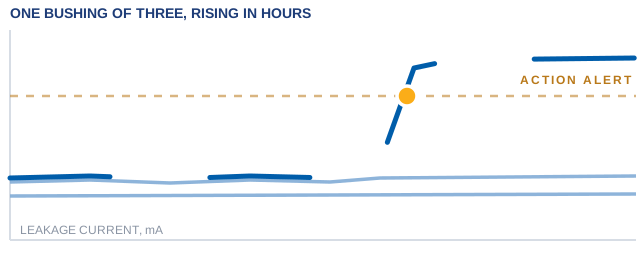
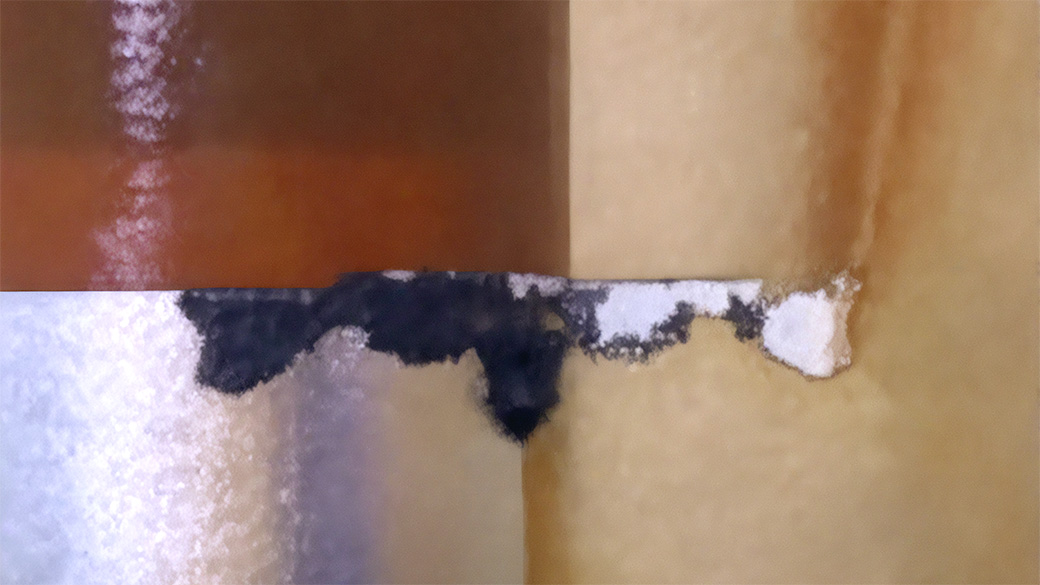
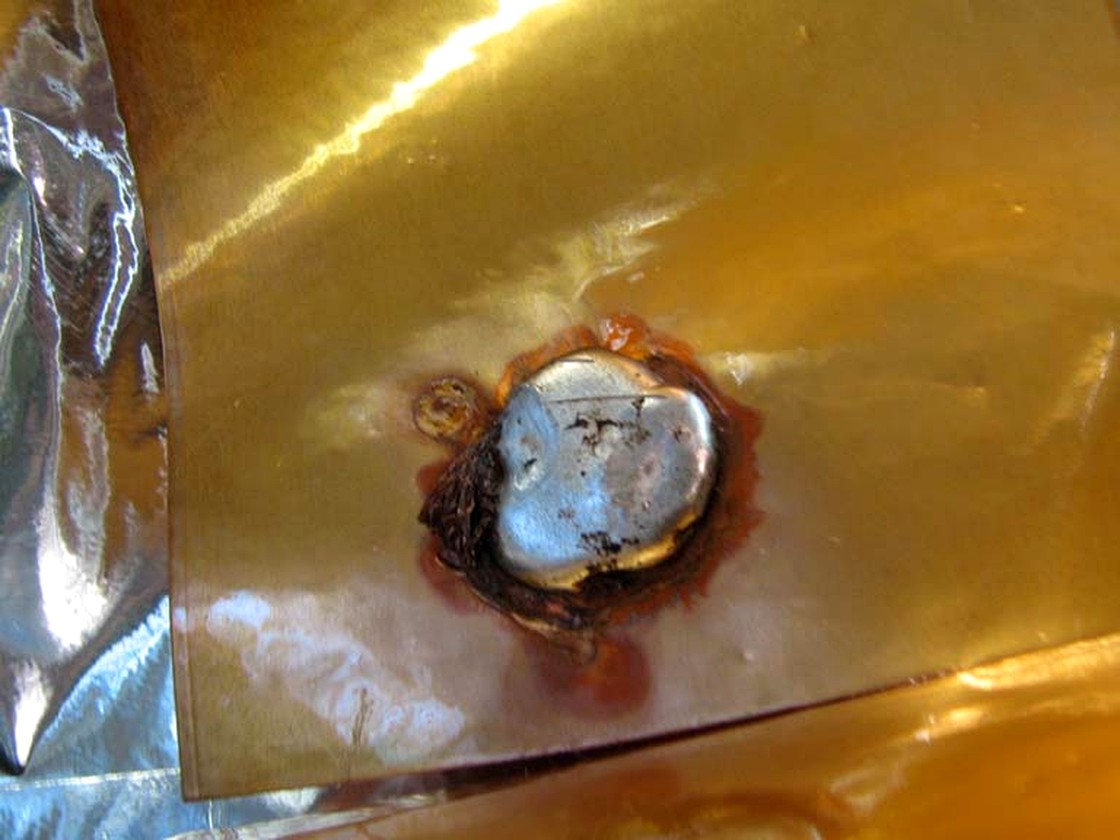
In the early hours of a January morning, the system monitoring a fleet of 70 transmission transformers raised an alarm: leakage current on one bushing in a set of three was climbing, fast. The easy call was false positive. The operators did not make the easy call, because they did not have to make a call at all. Their written response plan said what happens on a top level alert: switch the asset out, test it offline. They followed the plan. Offline testing confirmed what the monitor saw: power factor more than three times where it should be, capacitance up almost fifty percent. The forensic teardown found puncture marks and burning at the edges of the insulating foils. The published verdict: this bushing was hours from catastrophic failure. The operator put a number on the save: about five million dollars. A second save followed within roughly thirty days. Trench COT bushings carry a known rapid-onset failure mode, which is why this fleet was watched around the clock. When a mode can outrun any inspection schedule, only something always watching gets there first. |
|
|
THE NUMBERS |
|
|
|
CASE 02 · WEEKS OF WARNING
Weeks of warning are only worth something if someone is watching the trend.
|
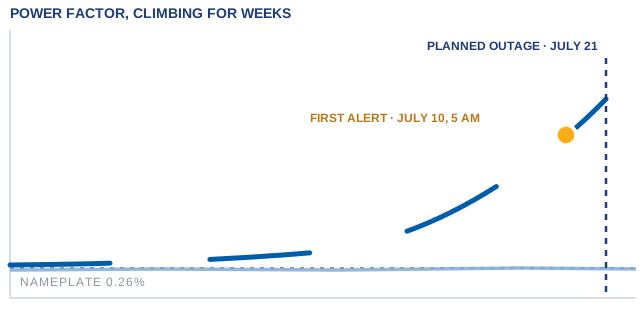
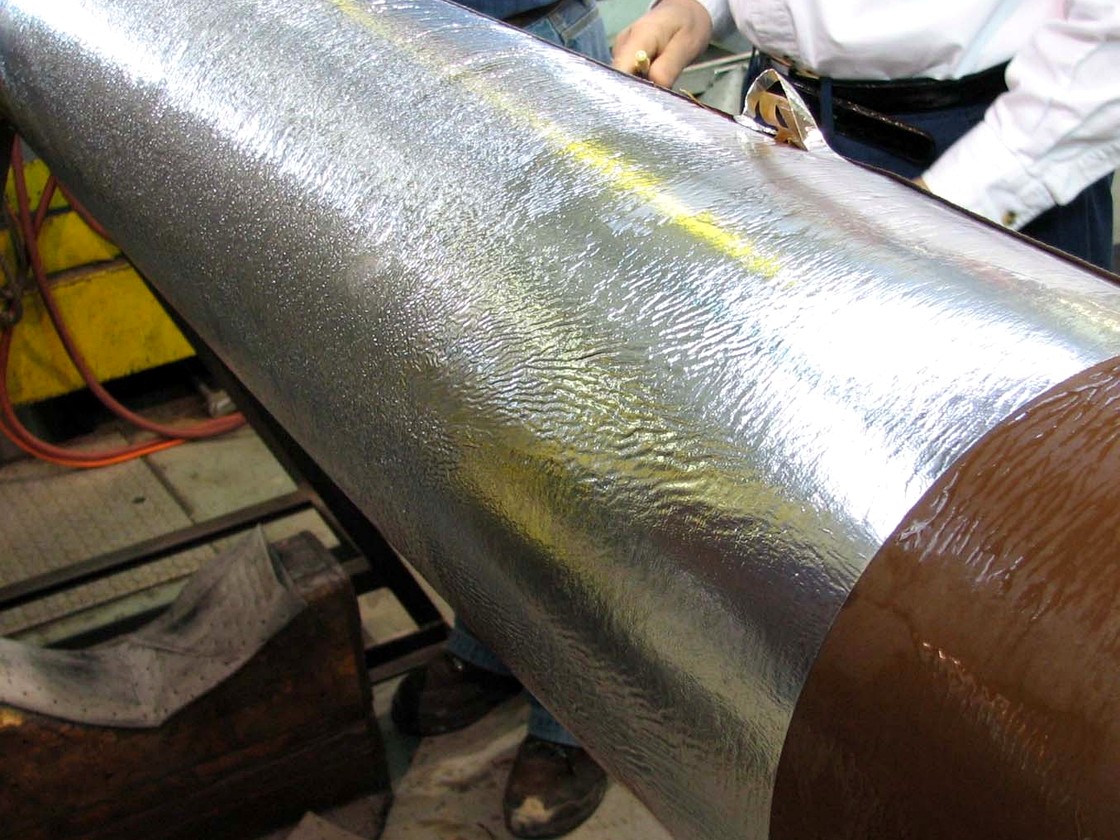
A 345 kV autotransformer, GE Type U bushings, online monitoring commissioned with offline baselines, the textbook setup. Through spring, the power factor on one bushing crept upward one reading at a time. In early June the creep became a climb. At 5 AM on July 10 the system issued its first alert on the monthly trend. The data went for expert review, and the conclusion was clear: a degrading bushing, not a measurement artifact. The owner was advised to schedule an outage, and here is the part worth copying: replacement bushings were located and staged on site before the transformer ever came out of service. On July 21 the asset was removed on a planned outage, its final reading six times nameplate. The factory teardown chronicled the degradation layer by layer, down to burning at a foil edge, exactly where the data pointed. And the sibling bushing that passed every test the same day? Disassembly found the same phenomenon already beginning inside it. A GE Type U normally gives days to weeks of warning. This one gave weeks, the response was ready, and the ending made no noise at all. That is what a win looks like in this business: nothing happened. |
|
THE NUMBERS |
|
|
|
CASE 03 · THE SILENCE
The monitor did its job. Its connection to the people was scheduled for tomorrow.
|
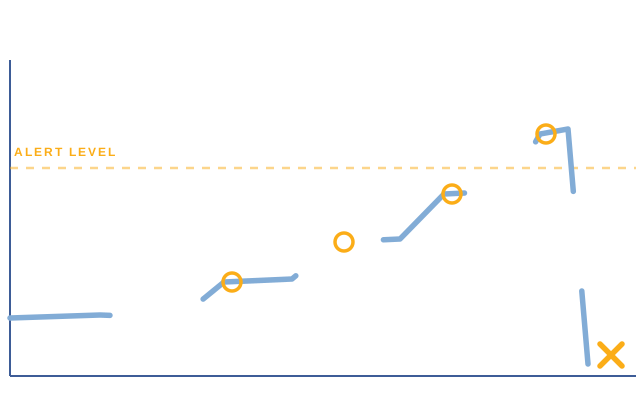
A transmission operator installed a Doble bushing monitor, set the alert limits, and re-energized the transformer. One task remained: the communications hookup that carries alerts to the control room. The crew for that was booked for the next day. Install now, connect later. It is a completely ordinary decision, made on ordinary schedules, everywhere. The bushing entered its failure sequence. The monitor saw all of it: current stepping upward as insulation layers shorted out one by one, each step crossing an alert threshold. Every alert fired. Every alert went to no one. The bushing failed and took the transmission transformer with it. The cost ran to millions. Afterward, the data was sent to Doble for review, and the record showed a machine correctly predicting a failure, step by step, with nobody wired in to hear it. Install is not commission. Monitoring is finished when a person can act on what it says, and not one minute before. |
|
|
THE NUMBERS |
|
|
|
IT KEEPS HAPPENING
|
LONDON · 2025 · PUBLIC RECORD An elevated moisture reading in a transformer bushing, detected in 2018 and never acted on, ended in catastrophic failure seven years later. The substation fire that followed shut down one of the world’s busiest airports. Appropriate bushing monitoring would likely have shown the change in time to intervene. |
660 MVA GENERATOR One temperature sensor drifted away from its siblings. The alert was acknowledged with a single click, and no action followed. The failure cost a one to two million dollar asset, and an estimated 25 to 50 million in interruption. |
|
A MUNICIPAL UTILITY · AND THIS TIME, WE MADE THE CALL An aged Westinghouse O+ bushing on a transformer serving a municipal area showed a small rise in leakage current, and a nearly tenfold rise in power factor. Top level alerts fired at the utility, and remotely at Doble headquarters, because we were watching too. When the transformer stayed in service, a call from Doble stressed the urgency of the situation. The outage followed rapidly, and a likely catastrophic bushing failure was avoided. The monitor caught it. The phone call saved it. |
THE LESSON
Across every save on this page the pattern holds: limits discussed for each asset, owners identified, the response written down and agreed before the alert ever comes. And in every loss, the gap was never the detection. It was a person, a connection, a plan that did not exist yet. As Carl Johnston, ex-National Grid UK, puts it: “Condition monitoring is more than a box with lights on it.” It is a system with people in it, and we build both.
Transformers, bushings, GIS, cables, partial discharge, protection: one partner covers the whole substation. One call, and the technical and operational load is ours.